
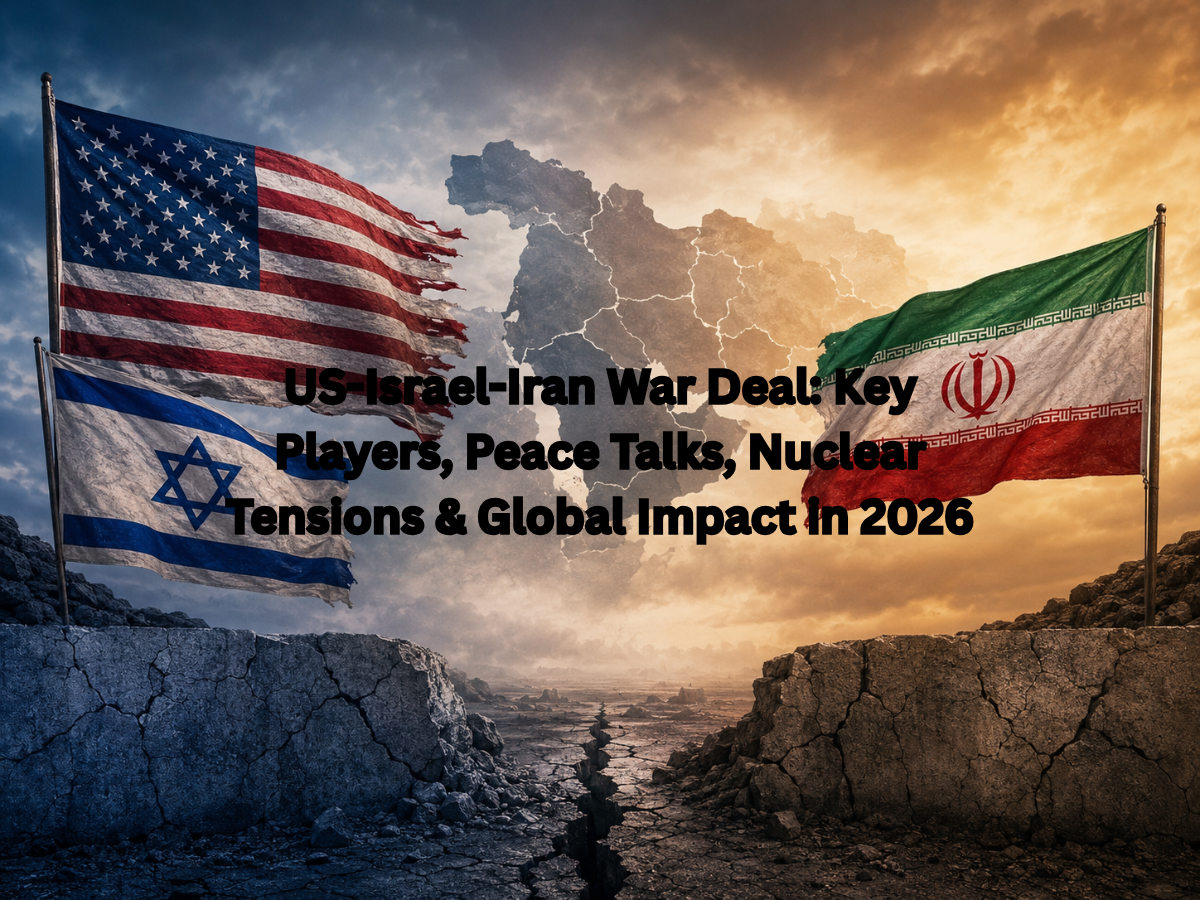

The US–Israel–Iran “war deal” kind of describes an active set of diplomatic and military talks, meant to de-escalate the rising friction between Iran, on one side, and the United States–Israel alliance on the other.
The whole situation escalated a lot after repeated strikes on nuclear facilities, missile infrastructure, and maritime targets across the Middle East.
Now, as global powers try for stability, mediators are attempting to shape something like a phased ceasefire, plus a nuclear compliance agreement. Still, mistrust, sanctions arguments, and ongoing regional rivalry keep getting in the way, so a final settlement remains out of reach.
As you know, the roots of the conflict go back decades, primarily centred around Iran’s nuclear programme & regional influence. Hence, all these situations worsened after the collapse of the 2015 Iran nuclear deal (JCPOA). But when the United States withdrew, it reinstated strict sanctions.
Iran expanded its nuclear enrichment activities by the time Israel and the US accused Tehran of developing potential weapon capabilities. By 2025–2026, the confrontation has grown into something close to open warfare. with accelerating cyberattacks, proxy clashes, and even direct military strikes happening across multiple fronts.
The United States and Israel have leaned hard toward any peace framework with Iran, Washington basically saying the agreement has to include the following:
Israel strongly supports these conditions and has repeatedly warned it will keep running military operations. if Iran refuses to dismantle its nuclear infrastructure. Leaders in both places also say that security guarantees should come first, before any sanctions-easing kind of talk.
Iran has rejected major parts of the Western proposal, describing it as “one-sided and politically motivated”. In Tehran’s official version, the main points look like this:
Iranian leadership says it will not negotiate under pressure or “military intimidation”, while it still leaves some space for indirect discussions via intermediaries such as Oman and Pakistan. Sometimes used when direct channels are too sensitive.
The whole thing is trending globally because multiple reports suggest a preliminary ceasefire framework might be discussed behind closed doors. Diplomatic sources claim the arrangement could involve step-by-step nuclear restrictions, alongside gradual relief from sanctions.
Still, remarks from Washington and Tehran don’t match each other cleanly, so it is unclear whether a real breakthrough is close or if this is still far off.
This is not limited to just three nations . It’s more like a wider geopolitical web:
This makes it one of the most complex global crises involving both direct and indirect participation.
Key global figures that are shaping this conflict include several names you will keep watching in the media.
So these people don’t only influence escalation; they also steer the peace negotiation pathways, or at least try to.
Big negotiation points usually cover things like
As of now, both sides remain divided over sequencing. Whether sanctions relief or nuclear rollback should come first.
If you know about the controversy, the Strait of Hormuz is an essential global oil corridor, and it handles almost a quarter of global oil shipments. Iran’s ability to affect this route gives it serious leverage.
If anything disrupts shipping there, global oil prices can spike, supply chains tend to stall, and energy insecurity grows. That’s why maritime security stays a core topic in the negotiations, even when talks slow down.
Even with some optimistic signals coming from mediators, the overall picture is still uncertain. Some diplomatic channels talk as if a preliminary structure is close, but both sides continue to release public comments that don’t fully match each other.
The main hurdles include
So in the end, the deal is possible, yes, but it’s not guaranteed.
The conflict is going to have far-reaching global consequences, like it’s already rippling everywhere and not just in the region:
Even the possibility of a peace deal is starting to sway global financial and energy markets, like right now, before anything is even signed.
The US–Israel–Iran war deal is, in my view, one of the most critical geopolitical negotiations of the decade. While diplomatic efforts are ramping up, the old conflict is still deep, competing national interests keep colliding, and regional power struggles just block a clean final agreement. The next few months will basically decide whether things drift toward peace or slide into more escalation.