

Written By: S Kumar
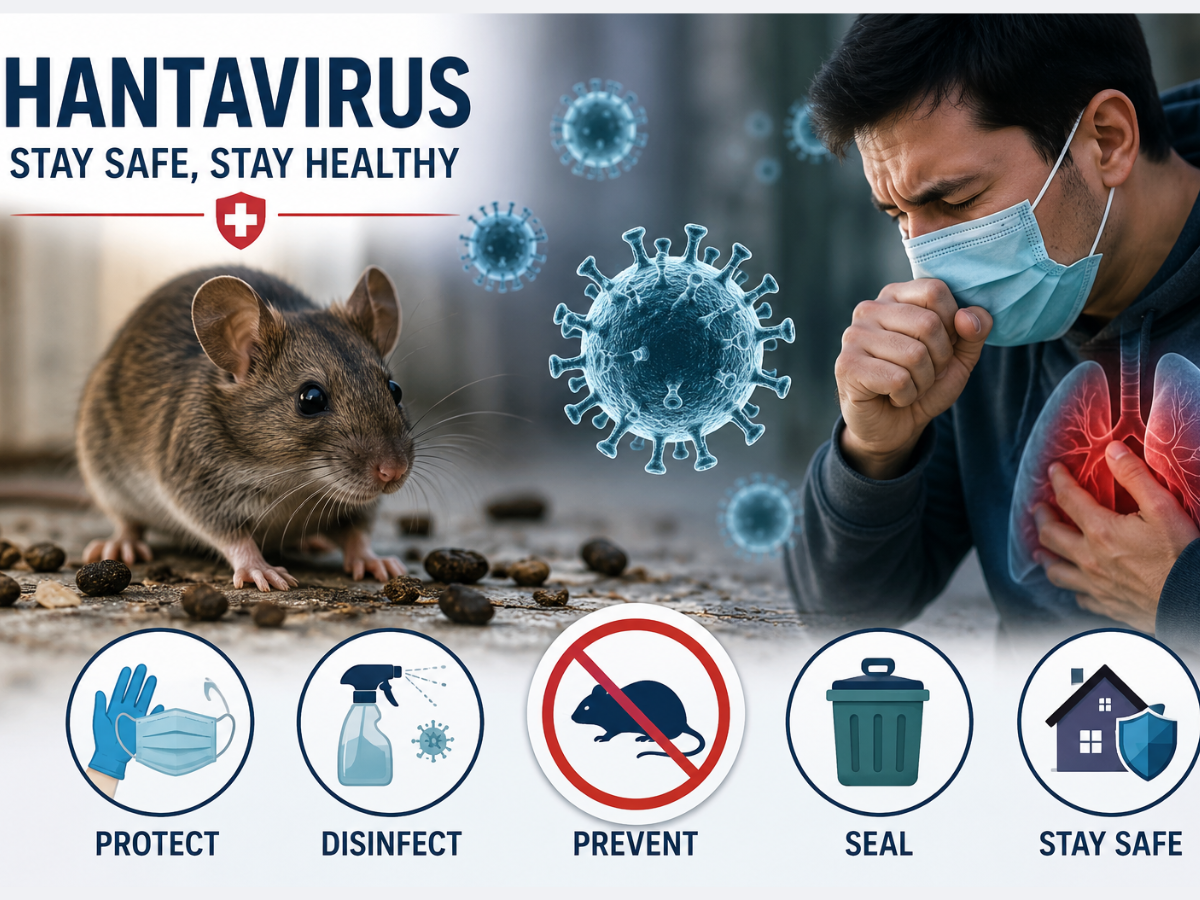
Hantavirus is a rare but potentially serious viral infection. This can majorly spread through contact with infected rodents and their droppings, urine, or saliva. If you talk about human cases remaining uncommon, health authorities continue to monitor the virus. Due to the severe infections that can lead to life-threatening complications affecting the lungs or kidneys. Public awareness is important, especially in areas where rodent populations are high.
Prevention and early detection are still the best defences against hantavirus infection, health experts continue to stress. Outbreaks remain relatively infrequent, but sporadic cases are reported each year from different parts of the world. Advice for people cleaning rodent-infested areas, sheds, barns, cabins, or storage facilities is provided by public health agencies.
Medical authorities also say hantavirus isn’t considered a widespread public health threat to the general population. However, people who have come in contact with rodents should still look for symptoms that may appear days or weeks after exposure.
Hantavirus infections are caused by viruses carried by some species of rodents. Humans are infected through contact with materials contaminated with infected rodents.
Common causes include:
The virus does not usually spread through casual contact with infected people. Most infections are linked directly to rodent exposure.
You may feel symptoms like these in between one and eight weeks after exposure. If you observe early signs, they may resemble the flu, making diagnosis difficult during the initial stages.
Common early symptoms include:
As the disease progresses, more severe symptoms can develop, including:
Here are the symptoms which require immediate medical attention. Due to severe hantavirus infections can become life-threatening.
Hantavirus can be passed to people from infected rodents. Some groups are at higher risk than others.
Groups at high risk include:
People who spend a lot of time in environments where rodents are present should take extra precautions.
Hantavirus diagnosis is by medical history, symptoms and laboratory testing. Infections are usually confirmed by blood tests. In severe cases, chest imaging helps to identify lung complications.
At this time, there is no specific cure for most hantavirus infections. Treatment is aimed at supportive medical care and includes:
The chances of recovery are greatly improved by early diagnosis and the risk of serious complications.
Prevention of infection is mainly through avoiding contact with rodents and contaminated materials.
Key prevention measures include:
The best way to prevent infection remains proper sanitation and rodent control.
Untreated hantavirus can lead to serious health problems. The most serious disease that is associated with the virus is Hantavirus Pulmonary Syndrome (HPS). HPS affects the lungs and can be fatal very quickly.
The possible complications are:
If severe symptoms occur, prompt medical treatment is essential.
If you have fever, fatigue, muscle aches or breathing problems after possible exposure to rodents or their droppings, see a healthcare professional right away.
Emergency medical treatment is especially critical if symptoms develop, such as chest pain, severe coughing, confusion or shortness of breath. Timely treatment can make a big difference in the recovery outcome.
Hantavirus is still a rare but serious disease associated mainly with infected rodents. By knowing the causes, symptoms, treatment options, and prevention measures, the risk of infection can be reduced. The best way to protect yourself from this serious viral illness is through good hygiene practices, controlling rodent populations and going to the doctor when symptoms first appear.
Disclaimer: This information is for general informational or educational purposes only. The one should not be considered medical advice. However, you are required to consult a qualified healthcare professional for diagnosis, treatment, or concerns regarding hantavirus infection or symptoms for personalised advice.