

Written By: S Kumar
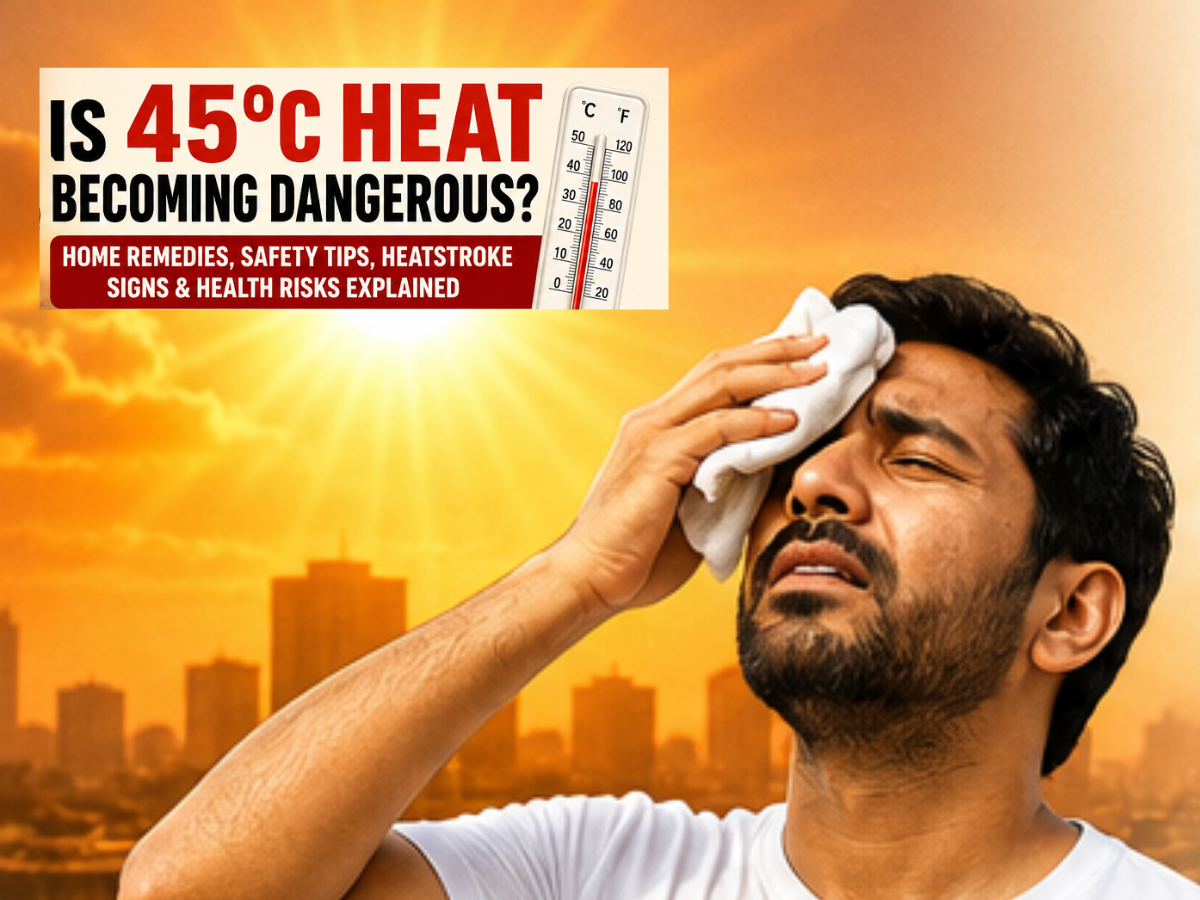
As temperatures have hit 45°C, heatwaves become more than just a seasonal annoyance. But at this time this has turned into a serious health risk. Roming out in such extreme heat weather for too long can lead to dehydration, heat exhaustion, heatstroke, and other dangers that could be fatal without proper care. Given how temperatures are soaring in many parts of India. Now it’s crucial to know both prevention methods and simple home remedies to handle the heat.
Here’s a handy guide covering home fixes, weather trends, safety steps, common triggers, and the major health hazards tied to sweltering heat.
As you know, home remedies are basic, traditional & desi approaches. This will lead the body to regulate its temperature and keep dehydration under control without leaning on clinical treatment. In these tough heat conditions, they can act like a first line of defence, sort of like an early shield before things become complicated.
Some of the most effective cooling remedies include:
External remedies also help:
In many parts of North India, like Haryana and nearby areas, the weather situation right now seems to be doing something pretty harsh: severe heatwave conditions, with temperatures going up to about 42°C to 45°C. The afternoons feel extremely hot, mostly because dry winds keep on adding to the heat intensity. Even in the evenings, the nights stay warm, and there’s very little actual relief since the air seems to hold onto that trapped warmth. On top of that, UV exposure is pretty high, so the chances of sunburn and general exhaustion rise quicker than usual.
Meteorological departments sometimes put out heatwave alerts when temperatures hang around way above normal for a few days in a row. Basically, it tells you the air is in a sort of high-risk state, so spending time outdoors should be cut down as much as you can.
“Simple rules that can protect your health”: here are the do’s and don’ts, a bit like common sense but still important
Do’s:
Don’ts:
If you follow these simple rules, the chances of heat-related illnesses drop quite a lot.
Why Are These High Temperatures, Heatwaves & Extreme Weather Conditions Happening?
Extreme heat isn’t really random; it is more like the outcome of lots of environmental and climatic stuff happening together, kind of in layers:
These combined factors are making heatwaves more frequent, intense, and longer in duration.
Heatwaves can affect anyone, but some groups are clearly more vulnerable.
High-risk individuals:
Heat exhaustion is basically when you feel really weak and you start sweating too much; then dizziness comes, and nausea can show up. But this heatstroke is getting more serious, which likely may lead to a medical emergency. In this case your body temperature jumps dangerously high, and it can get bad fast. Dehydration is also common; it happens when fluids drop too low, and then fatigue and confusion may appear. Heat cramps feel like muscle pain, often from a salt imbalance. Skin rashes can show up too, usually because of excessive sweating and blocked pores. If you see confusion, unconsciousness or an extremely high body temperature, then immediate medical attention is crucial.
Food really matters when you’re trying to manage body heat, especially during heatwaves. Eating lots of water-rich fruits like watermelon, muskmelon, oranges, cucumber, and even mixed salads can help keep you hydrated. This means it supports the whole cooling process. On the other hand, yoghurt, curd, and buttermilk work in a gentler way too. This may also calm the digestive system and make you feel less overheated. You should try to stay away from fried, oily, spicy, and processed foods, because they tend to raise internal heat, and then it feels uncomfortable pretty fast.
Natural coolants can bring relief fast, and they don’t feel as harsh. Aloe vera gel can be spread on the skin to reduce that burning feeling. Rose water also refreshes your face in a matter of seconds. Mint leaves are kind of a cool-from-within option when eaten, while sandalwood paste may help with heat rashes and give some comfort during heavy sun exposure.
Proper clothing protects the body from extreme heat. Wear light-coloured, loose cotton clothes that allow air circulation. Avoid dark colours, as they absorb heat. Cover your head with a cap, scarf, or umbrella. Breathable fabrics help sweat evaporate easily, keeping body temperature balanced and reducing heat stress effectively.
As the weather is getting harsh, small and simple techniques are often enough for fast relief. You should rinse your face and hands with cool water now and then. As research says, taking lukewarm showers twice a day can calm the body down. Also, if you have the chance, set a wet cloth on your neck or on your forehead; that small step can lower your temperature. Soaking your feet in cool water works too; it can relax you and reduce heat-related tiredness pretty quickly.
Few signs of heatstroke, which may include dizziness and confusion, nausea, fast heartbeat, vomiting, and also extreme body temperature. There may be no or very excessive perspiration as a sign. The body may also be overheated and needs immediate medical attention. If someone feels any signs, move them to a cooler environment and provide them with fluids as soon as possible. You are required to take them emergency medical assistance as soon as possible.
Staying cool, hydrated, and alert is not just comfort; it is essential for health and survival during severe heatwaves.